Temperature controlled logistics is essential when transporting goods that cannot tolerate temperature fluctuations. Perishables and sensitive cargo can lose quality, safety, or compliance if conditions are not maintained consistently throughout the journey. In practice, failures often happen not because of transport itself, but due to gaps in handling, coordination, or monitoring.
What Temperature Controlled Logistics Actually Covers
Temperature controlled logistics is not just refrigerated transport. It is a connected system that manages storage, movement, and monitoring to keep cargo within a defined temperature range from origin to delivery.
At a practical level, it covers three core areas:
1. Temperature-controlled storage
Goods are stored in cold rooms or controlled environments before dispatch to stabilise product temperature and prevent early exposure.
2. Temperature-controlled transportation
This includes refrigerated trucks, reefer containers, or temperature-controlled air cargo, depending on distance, urgency, and cargo type.
3. Continuous monitoring and handling control
Temperatures are tracked throughout transit, including loading, inspections, and last-mile delivery, where most failures occur.
Read Also- Cold Storage Warehouse in Dubai

Cargo Types That Depend on Temperature Controlled Logistics
Temperature controlled logistics is essential for cargo where even small temperature shifts can cause damage, spoilage, or regulatory rejection.
The most common categories include food and perishables, such as fresh produce, dairy, meat, seafood, and frozen goods. These products have limited shelf life and are highly sensitive during transport and storage.
Pharmaceuticals and medical products rely heavily on strict temperature control. Vaccines, insulin, and biologics often require narrow ranges, where deviation can reduce effectiveness or make products unusable.
Chemicals and biotech materials may require controlled conditions to prevent degradation, leakage, or safety risks. In some cases, temperature stability is tied directly to compliance.
Key Temperature Ranges You Must Maintain
Temperature controlled logistics relies on maintaining the correct range for the specific cargo, not just keeping goods “cold.” Different products tolerate different limits, and exceeding them can lead to spoilage, compliance failures, or total shipment rejection.
Most temperature-sensitive cargo falls into three broad ranges:
Chilled cargo (2–8°C)
Common for pharmaceuticals, vaccines, dairy products, and some fresh foods. Even short exposure outside this range can affect product safety or efficacy.
Frozen cargo (-18°C and below)
Used for frozen foods, ice cream, meat, and seafood. Temperature rise can cause thawing, refreezing damage, and quality loss.
Controlled ambient (15–25°C)
Required for cosmetics, certain chemicals, and sensitive electronics that must be protected from heat rather than cold.
Best Practices in Temperature Controlled Logistics
Effective temperature controlled logistics depends on planning and discipline at every stage, not just the use of refrigerated equipment. Most failures happen due to gaps between processes rather than technical faults.
Pre-cooling before movement is critical. Cargo, vehicles, and containers should already be at the required temperature before loading begins. Loading warm goods into a cold container creates immediate risk.
Packaging and insulation must match the cargo’s sensitivity and transit duration. Using incorrect liners, pallets, or insulation can cause temperature drift even in refrigerated environments.
Minimising handovers reduces exposure. Every transfer point, whether at a warehouse, port, or inspection area, increases the risk of temperature deviation.
Where Temperature Control Commonly Fails
Most temperature deviations do not happen during long-distance transit. They happen at transition points where responsibility shifts or timing slips.
Loading and unloading is one of the highest-risk moments. Cargo can be left exposed on docks or ramps longer than planned, especially during peak periods or inspections.
Port and airport congestion often creates unplanned dwell time. Even short delays can break the cold chain if power supply or plug-in access is not managed correctly.
Poor coordination between parties is another common issue. When warehouses, carriers, and customs teams are not aligned, temperature requirements can be missed or misunderstood.
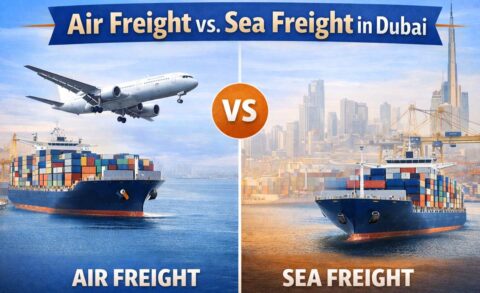
Air vs Sea in Temperature Controlled Logistics
Choosing between air and sea transport in temperature controlled logistics depends on shelf life, urgency, and cost tolerance rather than a single “best” option.
Air freight is typically used for high-value or time-critical cargo such as pharmaceuticals, vaccines, and certain biotech products. Faster transit reduces exposure time and limits the risk of temperature deviation, but costs are significantly higher and capacity can be constrained.
Sea freight is widely used for food, perishables, and large-volume shipments using modern reefer containers. While transit times are longer, advanced temperature control systems and continuous monitoring now make sea transport a reliable option when planning and coordination are done correctly.
Temperature Controlled Logistics Solutions in the UAE
Temperature controlled logistics in the UAE comes with unique challenges. High ambient temperatures, long inland routes, and strict handling requirements mean even brief exposure can compromise sensitive cargo. This makes careful coordination essential at every stage of the supply chain.
ProConnect supports temperature-sensitive shipments by aligning cold storage, refrigerated transport, and customs handling under one coordinated process. This reduces temperature breaks during port operations, inspections, and transfers between facilities.
With experience across UAE ports, free zones, and inland delivery networks, ProConnect focuses on controlled handovers, real-time monitoring, and compliance-driven execution. This approach helps businesses move perishable and sensitive cargo reliably while meeting local regulatory and operational expectations.
FAQs For Temperature-Controlled Logistics
-
Which goods require temperature controlled logistics?
Common examples include perishable food, pharmaceuticals, vaccines, chemicals, flowers, and other sensitive or high-value cargo that can be affected by temperature changes.
-
What happens if temperature deviates during transit?
Even short temperature deviations can lead to product spoilage, regulatory rejection, financial loss, or safety risks. In regulated sectors such as food and pharmaceuticals, this may also result in non-compliance penalties.
-
How do companies reduce cold chain risks?
Cold chain risks are reduced through proper packaging, continuous temperature monitoring, controlled handovers, trained handling teams, and contingency planning for delays or equipment failure.


 APP DOWNLOAD